

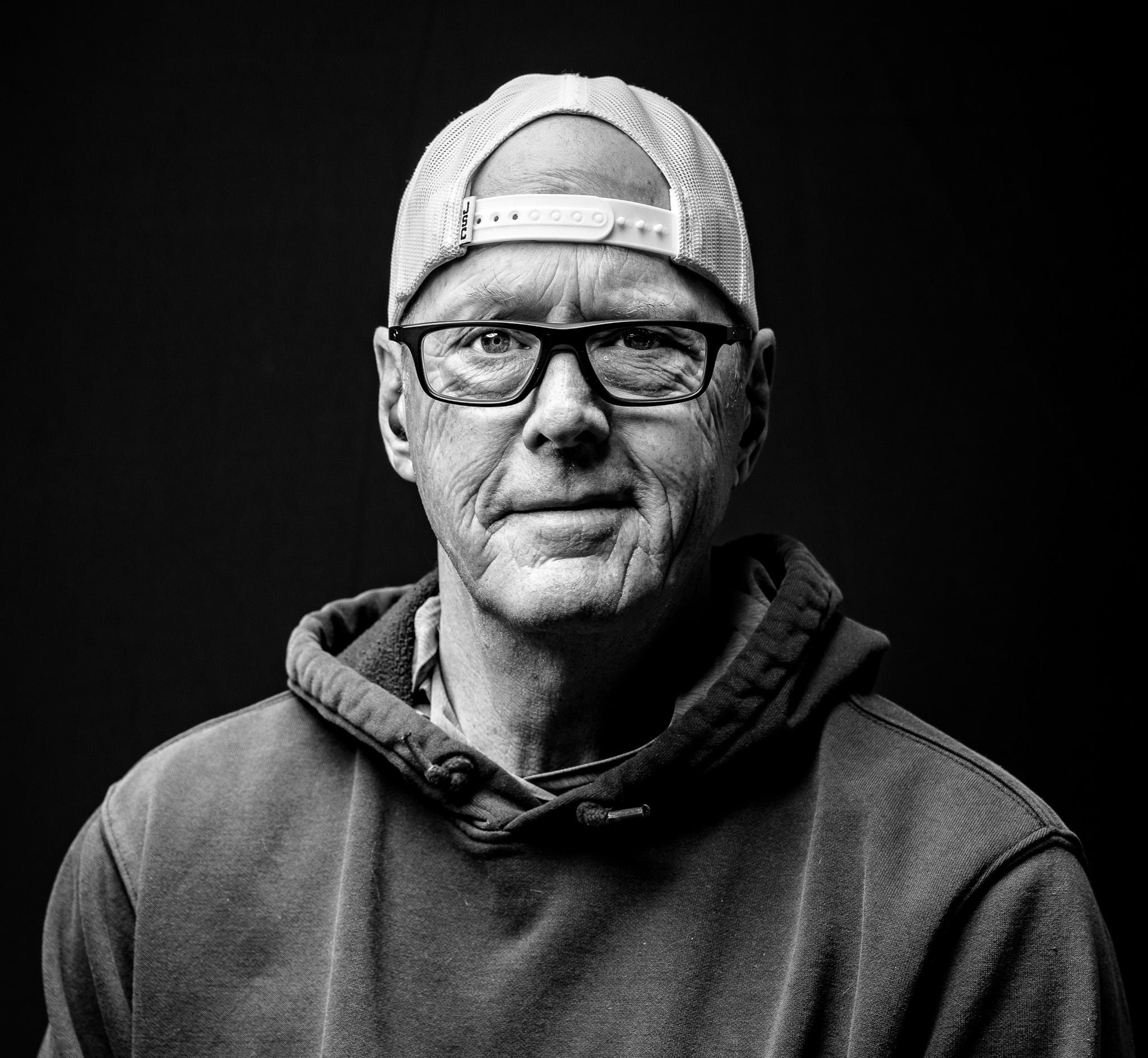
I recently asked someone I know what he thought about SuperAging. He had no clue what I was talking about. Neither did I, until I came across the term, researched it, and started writing about it.
The idea caught my attention because I realized something surprising: I may already be living it. I am not claiming to be biologically exceptional, nor am I pretending that aging is easy.
My face resembles beef jerky when I look at myself. I wake up with aches I did not have at 30. Recovery takes longer. Sleep quality matters. Finding the optimal foods to keep me going, and not taking prescription drugs for anything, are paramount for the long game.
The body keeps an honest record of the years
Still, at 65, I feel mentally curious, physically active, spiritually grounded, and more excited about creating than I did during many of my younger years. I credit a strong gene pool, years of learning from painful mistakes, and the grace of the Almighty One.
SuperAgers are generally described as older adults whose memories, thinking abilities, or physical capacities remain unusually strong for their age. Scientists have studied people over 80 who demonstrate remarkable mental sharpness and resilience.
But SuperAging means more to me than performing well on a memory test. It is a way of meeting life.
Some people become old long before their bodies require it. They stop learning. They stop moving. They stop questioning their assumptions. They decide their most creative and meaningful years are behind them. Their world gets smaller because they expect it to.
Others remain open. I recently met an 81-year-young woman who plays tennis three times a week. My hero! Others walk, lift weights, ride bicycles, read books, create art, start businesses, volunteer, mentor younger people, strengthen friendships, and keep asking better questions. They may move more slowly, but they are still moving toward something.
Age is a state of mind and body—the two influence each other every day
When we believe decline is inevitable, we may stop doing the very things that help preserve our strength. When we believe growth remains possible, we are more likely to exercise, connect, learn, rest, eat wisely, and find reasons to get out of bed.
This is not magical thinking. Belief alone will not prevent disease, erase genetics, or guarantee a long life. Some people do everything right and still face devastating illness. Others neglect themselves and live far longer than anyone expected. Life has never promised fairness.
SuperAging is not about blaming people for growing sick or frail. It is about taking responsibility for what remains within our influence.
We can move our bodies. We can feed our minds. We can stay connected to the people who bring us to life. We can release old resentment before it hardens into identity. We can stop telling ourselves that we are too old to learn, love, build, heal, travel, paint, write, change, or begin again.
Most of all, we can practice gratitude
Gratitude does not deny pain. It changes our relationship with it.
I am grateful for the muscles that still carry me, even when they complain. I am grateful for the brain that still asks questions. I am grateful for the failures that stripped away my pride and taught me humility. I am grateful that I no longer need to prove as much.
That may be one of the greatest gifts of growing older. We begin to understand that life is not measured only by how much we achieve, own, control, or accumulate.
A richer life may be found in a quiet morning, a strong cup of coffee, a bicycle ride, a grandchild’s laughter, an honest conversation, a blank canvas, or the realization that we are still here.
We cannot control how many years remain. But we can decide how awake we will be while living them. Maybe that is the true heart of SuperAging. Not refusing to grow old and refusing to stop growing.
Thanks for restacking this article if you found it helpful.